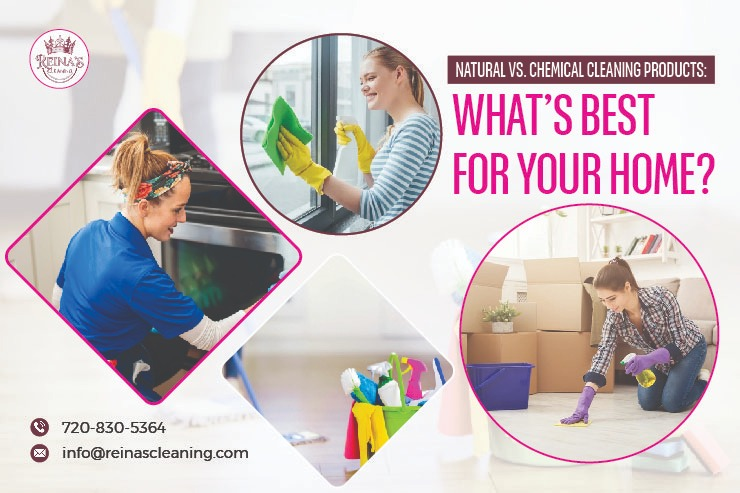
Choosing the right cleaning products for your home isn’t always simple. You want your home to sparkle, but you also want it to be safe. That’s where the debate between natural and chemical cleaners comes in. Which one is more effective? Which one is safer for your family and the environment? Let’s break it down.
Understanding Natural Cleaning Products
Natural cleaning products are made from plant-based ingredients and minerals. They usually avoid synthetic fragrances, dyes, and harmful chemicals. Popular options include baking soda, vinegar, lemon juice, and essential oils. These products have been used for generations and are still trusted by many households today.
Natural cleaners work well for everyday cleaning. They’re great for wiping down counters, freshening up bathrooms, or deodorizing trash cans. They don’t release harsh fumes, so they’re perfect for homes with kids, pets, or people with allergies. Another plus—natural products are biodegradable and kinder to the planet.
However, they may not always work for deep cleaning tasks. For example, they might struggle with grease-heavy ovens or stubborn mold. Some natural products also require more scrubbing and time to take effect.

Chemical Cleaning Products: Pros and Cons
Chemical cleaning products are made using synthetic ingredients, often designed for maximum strength. They include bleach, ammonia, and strong disinfectants. These products are commonly found in sprays, wipes, and gels that promise to kill 99.9% of germs and bacteria.
If you need powerful results quickly, chemical cleaners get the job done. They’re great for sanitizing bathrooms, removing mold, killing viruses, and tackling grime. Hospitals and commercial spaces rely on these cleaners for a reason—they work fast and efficiently.
But there’s a downside. Many chemical cleaners release toxic fumes that can irritate your eyes, skin, and lungs. Long-term exposure may lead to health issues, especially in children or those with respiratory problems. Improper use can also damage surfaces and cause accidental mixing hazards, like combining bleach with ammonia.
Safety and Health Considerations
Your cleaning choices affect your indoor air quality. Natural cleaners release fewer volatile organic compounds (VOCs), which are linked to asthma and other health problems. Chemical cleaners, on the other hand, often contain VOCs and other irritants.
If you or your family members have allergies or sensitive skin, natural cleaners are the safer option. They reduce exposure to harsh substances and lower the risk of accidental reactions. Always check product labels, even on natural brands, since not all are truly chemical-free.
Proper ventilation, gloves, and storage are key if you prefer using chemical products. Never mix cleaners unless the label says it’s safe. A simple mistake could release dangerous fumes.
Environmental Impact
The planet feels the impact of your cleaning choices too. Natural cleaners usually come in recyclable packaging and break down more easily after use. Many eco-friendly brands avoid animal testing and use sustainable sourcing.
In contrast, chemical cleaners often contain non-biodegradable ingredients. They can harm aquatic life and pollute water systems if not disposed of properly. Their production and packaging also contribute more heavily to plastic waste and carbon emissions.
By choosing greener alternatives, you support a cleaner environment and reduce your household’s ecological footprint.
Cost and Convenience
Natural cleaning products can be cost-effective, especially when made at home. You can clean an entire kitchen with ingredients like vinegar, baking soda, and lemon. Plus, they’re multi-purpose, so you need fewer products overall.
Chemical cleaners are often pricier, but they’re more convenient for specific tasks. A bottle of bleach or disinfectant spray is ready to use right out of the package. You don’t have to mix anything, and you can finish the job faster.
Ultimately, it comes down to your priorities—budget, time, and comfort level.
Which Should You Choose?
There’s no one-size-fits-all answer. Many households benefit from using a combination of both. For example, you can use natural cleaners for daily upkeep and turn to chemical options when tackling tough messes or disinfecting during flu season.
Try starting with natural products in the kitchen and living areas. Use stronger chemical options in bathrooms or for deep cleaning when needed. Balance is key, and smart usage makes all the difference.
Final Thoughts
Natural and chemical cleaning products both have their place in modern homes. Natural options are safer, gentler, and eco-friendly, while chemical cleaners offer power and speed. The best approach is to understand each product’s strengths and use them wisely. Clean smarter—not just harder—and create a healthier home for everyone.